- +971 4 379 4722
- Tiffany Tower, Cluster W, JLT, Dubai, UAE


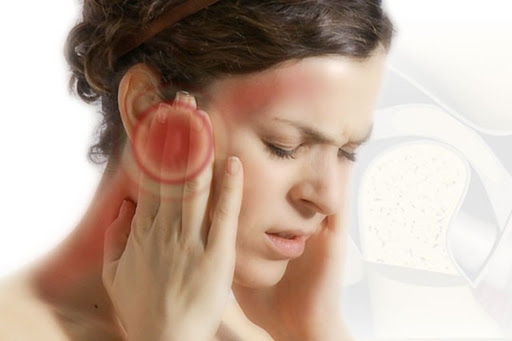
The temporomandibular disorder TMD is related to the musculoskeletal and neuromuscular sections of the body. The associated structure mainly involves masticatory muscles and temporomandibular joints (TMJ). Since the signs and symptoms show on the face, neck, ear, or shoulder areas, many people fail to recognize the cause behind these pains. This article aims to give an overview of the TMD symptoms to have a broader understanding of the problem and how you can treat it through dentistry solutions without having to go for surgeries and complications.
What is TMD?
Temporomandibular joints are situated in front of your ear and connect the jaw with the skull’s temporal bones. Temporomandibular joints are responsible for the movements of your jaw in all directions, such as up, down, and side to side. Talking, chewing food, and yawning are all possible with the help of TMJ, making it an essential part.
Problems associated with the jaw muscles and related areas are referred to as TMD. Although there is no specified contributing factor for TMD to arise, the dentists state that problems with jaw muscles and joints, injuries to jaw muscles, head, or neck can lead to TMD. Apart from these, given below are a few factors believed to cause TMD in people.
Symptoms of TMD
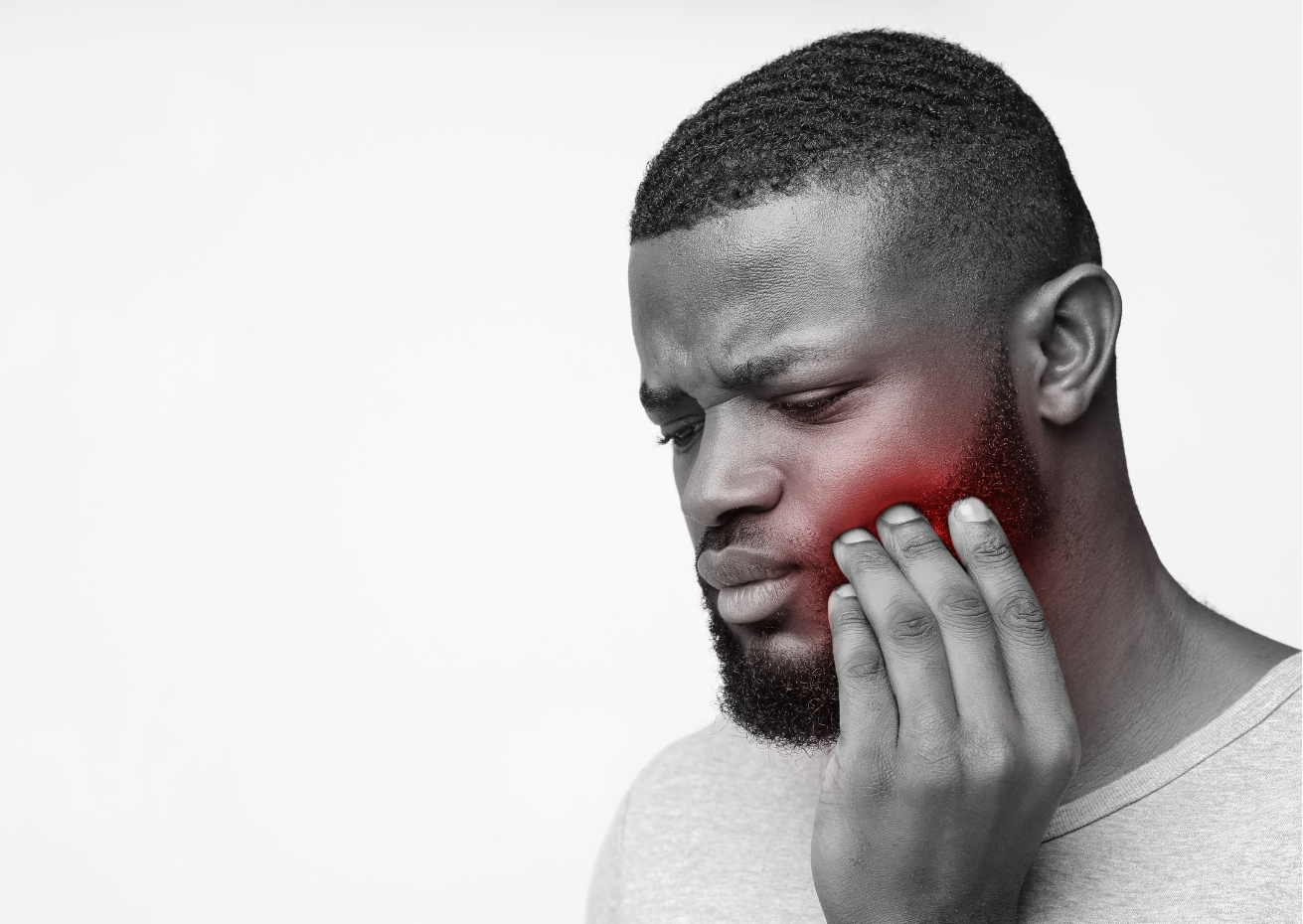
TMD is said to affect more women than men and can be seen on one side or both sides of the face. The problem can be commonly seen in the age range of 20-40 and can occur temporarily or be permanent. Common symptoms of TMD include:
If you notice these symptoms, especially problems in your teeth and mouth area, it is recommended to visit a dental clinic at the earliest to eliminate the discomfort.
Viable Treatments
Dentists often suggest relaxation techniques and behavioral changes to alleviate TMD without going for surgeries that permanently change the jaw. A comprehensive oral examination will take place before recommending the most suitable treatment for your condition.
Once the diagnosis is complete, your dentist will suggest the following treatment options. Pain relievers, anti-inflammatory, antidepressants, and muscle relaxants are a few medication options that help relieve the pain from TMJ disorders. Your doctor may prescribe these pills to control conditions like sleep bruxism.
Oral splints – This is another popular treatment used for TMD. These guards will help reduce teeth clenching and grinding, which exert extra pressure on the jaw muscles.
Warm and cold packs – Hot and cold compressors can be used to alleviate the pain from TMD. You can keep these packs on your jaw area for about 15 minutes to reduce discomfort.
Therapy – You can also try special exercises for your jaw area to eliminate TMD and reduce pain. Your orthodontist will instruct you on these exercises, and you can add the practices to your daily routine to get rid of TMD.
Posture practice – Incorrect posture is another factor that can result in problems in your muscles and cause pain in your neck, head, and shoulder areas. Your orthodontist will suggest the postures you need to avoid and the ones to practice to reduce muscle stiffness.
If you think you have a TMD or TMJ problem, visit us at German Dental Clinic for a comprehensive oral examination. Our experts will suggest non-surgical procedures to support your jaw in a comfortable muscle position. Contact us now for an extensive neuromuscular consultation.
2022 © Copyright – German Dental and Neuromuscular Clinic
MOH # WZ84753