- +971 4 379 4722
- Tiffany Tower, Cluster W, JLT, Dubai, UAE


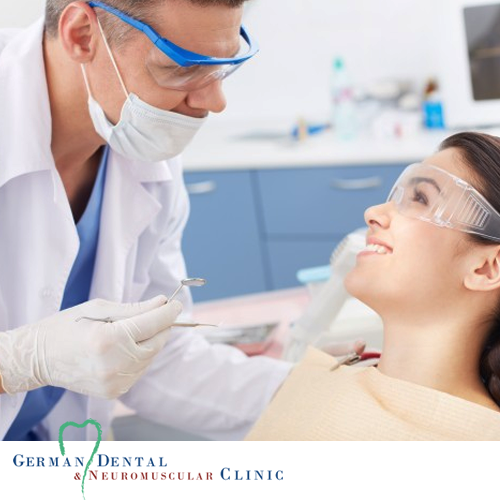
A beautifully aligned set of teeth is not only aesthetically pleasing but aids in proper functioning in digestion and jaw function. Crooked teeth can cause problems as they can exert pressure on certain areas forcibly. They can also cause bite issues that can lead to periodontal diseases over time. A Periodontist performs an occlusal adjustment to correct these problems and prevent dental malocclusions. This article gives an overview of occlusal adjustment and how it can help in periodontal corrections.
Occlusal Trauma
When the tooth is not aligned properly, it can damage them with an excessive force acted upon them. An occlusion is referred to as the relationship between opposing teeth your mouth is closed or when you chew food. Diseases, injuries, trauma, or other dental treatments can alter this occlusion by changing the surface of the teeth.
The alterations can cause harmful effects on the teeth, causing tenderness, pain, and damage to the teeth. An occlusion trauma can consist of the following signs and symptoms.
Treatment By Occlusal Adjustment
Orthodontic treatments can benefit from acquiring maximum effects from periodontal therapies, and hence top dentists suggest dental corrections for those who experience periodontal diseases for optimal treatments.
The treatment involves modification of the biting surface of the tooth and improving its function and contact patterns. The therapy is used to alleviate symptoms of TMJ disorders and to complement comprehensive prosthodontics reconstruction.
Occlusal adjustments can adjust the abnormalities making occlusal stability. However, since the treatment types are irreversible, it is crucial to have a comprehensive examination and a definite diagnosis before the process.
Once the problem is diagnosed and the treatment type is identified, occlusal adjustment proceeds in the following manner.
Reshaping Teeth – Drilling or filling will be performed to reshape the surface of teeth to adjust misshapen or uneven teeth. Your bite will be checked until it has come together in the desired way from the occlusal adjustment.
Reconstruction – Here, broken and cracked teeth will be repaired, and cavities will be filled. For those with old fillings may require to have new ones with replacements. Crowns and bonding agents may also need to repair the damaged and chipped teeth. The comprehensive treatments will aid in bringing back the bite to a healthy status.
Splints or Night Guards – A splint or a night guard can be used to prevent grinding and clenching at night. These are ideal for those with TMJ issues to keep teeth in alignment. An impression of your mouth is taken here to create customized splints to fit into your mouth.
Braces and Retainers – These are the most popular orthodontic treatment types to align crooked and spaced teeth issues. This will also help improve the bite patterns by repositioning the teeth to the correct form.
Occlusal adjustments can bring back your teeth to a more stable and healthy state while improving your overall mouth functions. The corrections can benefit you with chewing or digestion, speech, facial structure, TMJ issues, and improved appearance. Once you have made an occlusal adjustment, you need regular visits to your family dentist to monitor your bite patterns and oral functions. Visit the German Dental Clinic for a comprehensive oral examination to ensure your mouth and teeth are healthy and get professional consultation from experts in dentistry.
2022 © Copyright – German Dental and Neuromuscular Clinic
MOH # WZ84753