- +971 4 379 4722
- Tiffany Tower, Cluster W, JLT, Dubai, UAE



Do you often wake up with a headache, jaw pain, or sensitive teeth? Do your sleeping partners complain about the noise you make while sleeping? If so, you may be experiencing bruxism, a condition that affects people of all ages. Bruxism is the repeated grinding, clenching, and rubbing of teeth against each other, which can cause damage to the teeth, gums, and even other parts of the body. In this blog post, we’ll explore the causes and effects of bruxism, and ways to manage and alleviate the symptoms.
Causes of Bruxism
While there is no single cause for bruxism, it’s often associated with stress and anxiety. This is especially true for sleep bruxism, which occurs during sleep when we are unaware of it. When we are stressed, our muscles tend to tense up, including the muscles in our jaw. As a result, we may clench or grind our teeth unknowingly. In some cases, bruxism may be a side effect of certain medications, excessive alcohol or caffeine consumption, or certain medical conditions such as Parkinson’s disease or sleep apnea.
Effects of Bruxism
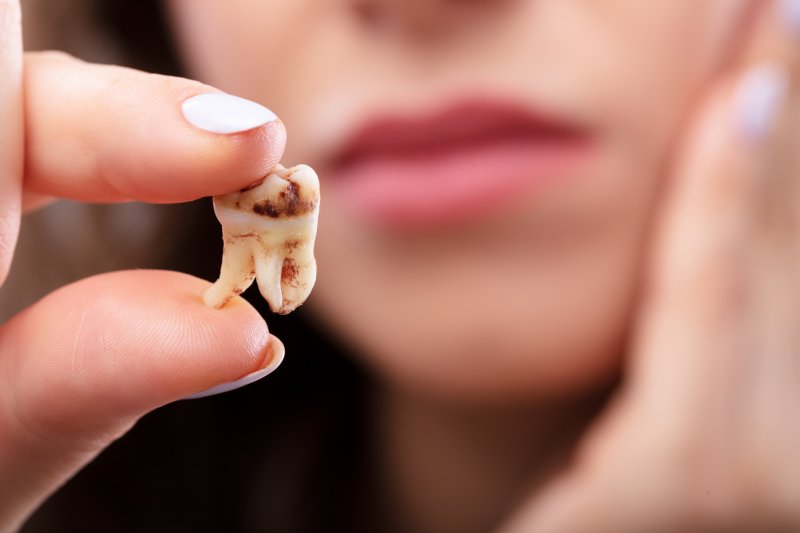
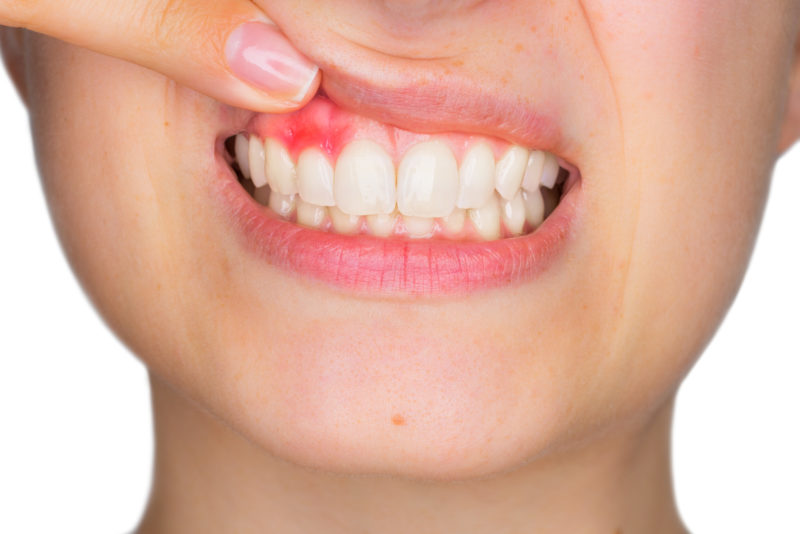
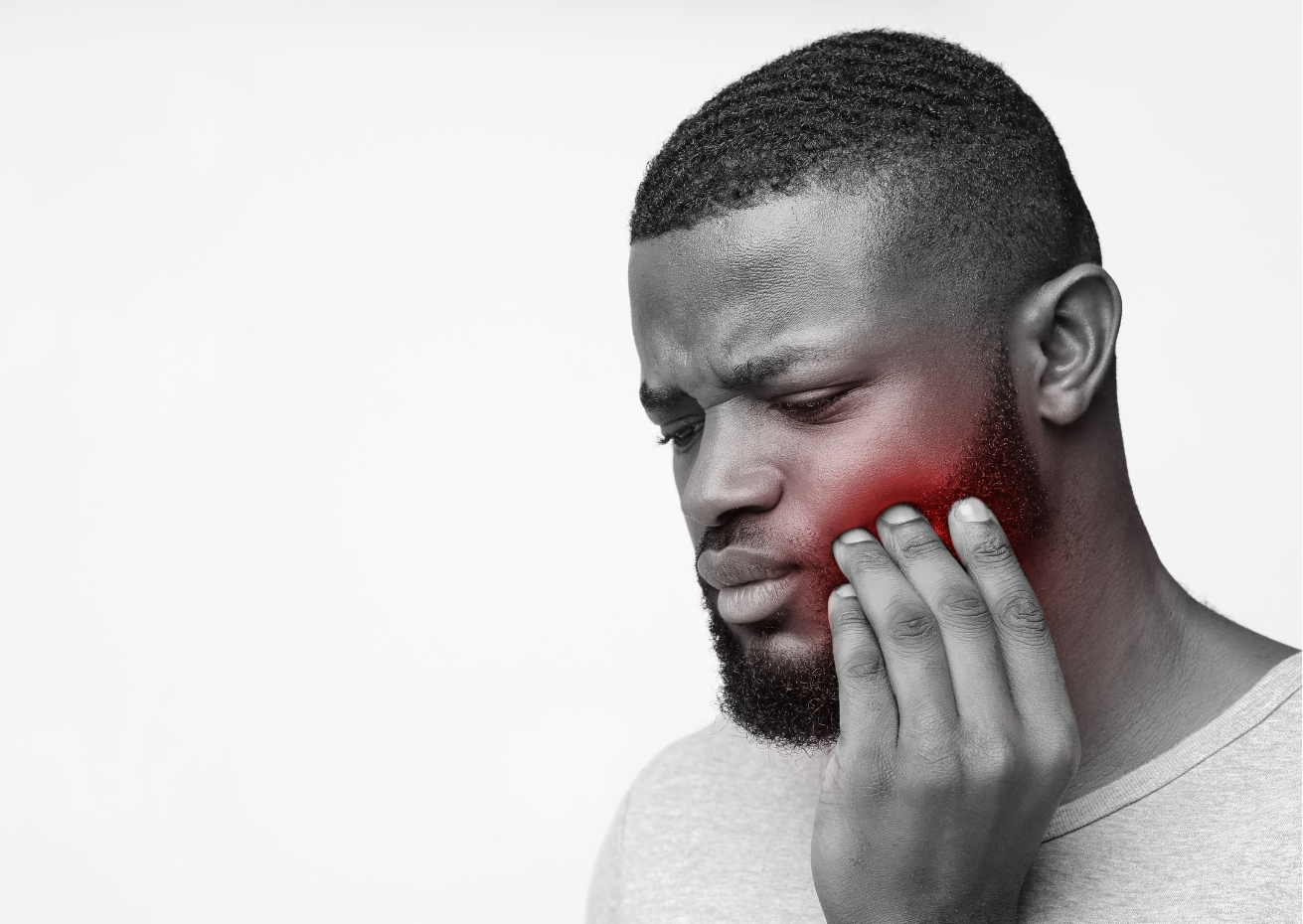
Bruxism can cause a range of dental problems, including tooth sensitivity, enamel wear, and tooth fractures. It can also lead to gum recession, which can cause tooth mobility and eventually tooth loss. In addition, the pressure and strain on the temporomandibular joint (TMJ) from bruxism can cause jaw pain, headaches, and earaches.
Treatment for Bruxism
If you suspect you have bruxism, it’s best to consult with your dentist, who can diagnose the condition and recommend the appropriate treatment. One common solution is a bite splint, also known as a grinding splint. This is a custom-made plastic support that fits over your upper or lower teeth to protect them from further damage. The splint is worn overnight and can last up to five years with proper care. And the best part? It’s often covered by insurance!
But a splint is only one part of the solution. To truly alleviate the symptoms of bruxism, it’s important to identify and address the underlying causes. Stress management techniques such as meditation, yoga, or counseling can be helpful in reducing stress and anxiety. Reducing alcohol and caffeine intake can also be beneficial. If bruxism is caused by an underlying medical condition such as sleep apnea, treating that condition can also alleviate the symptoms.
In some cases, therapy or medication may also be recommended. Cognitive-behavioral therapy (CBT) can help identify and change negative thought patterns and behaviors that contribute to bruxism. Muscle relaxants or tranquilizers may also be prescribed to relax the muscles and reduce grinding and clenching.
Preventing Bruxism
Preventing bruxism is always better than treating it. Some tips for preventing bruxism include:
• Reducing stress through relaxation techniques such as meditation, yoga, or counseling.
• Avoid alcohol and caffeine, especially before bed.
• Practicing good sleep hygiene, such as establishing a regular sleep schedule and creating a relaxing sleep environment.
• Avoid chewing on pens, pencils, or other objects that are not food.
• Practicing proper jaw alignment by keeping your teeth slightly apart and your tongue relaxed.
In conclusion, bruxism is a common condition that can cause damage to your teeth, gums, and overall health. While there is no single cause for bruxism, stress, and anxiety are often contributing factors. Bite splints, stress management techniques, and reducing alcohol and caffeine intake are all effective ways to manage and alleviate the symptoms of bruxism. If you suspect you may have bruxism, consult with one of our dentists to receive appropriate treatment and prevent further damage..
2022 © Copyright – German Dental and Neuromuscular Clinic
MOH # WZ84753